UPVC WINDOWS & DOORS · SYSTEM ALUMINIUM · ABS DOORS

Weather Seal
CHARAN WINDOWS / PRODUCT COLLECTION

Weather Seal

Explore product details ↘
PRODUCT DETAILS

weather seal

In order to stop draughts, leaks, and water infiltration, gaps surrounding the window frame are sealed with Weather Seal in UPVC Windows. This can involve caulking the window frame or adding sealant or weatherstripping to the window’s perimeter. spread over 1 acre area with abundant storage facility.

Explore Details
Weather Seal
Weather Seal
01

weather seal

Weather Seal

The use of specialised gaskets or seals that are intended to compress against the window frame when the window is closed, establishing a tight seal, can also be used as a weather seal. The purpose of Weather Seal in UPVC Windows is typically to increase energy efficiency, maintain a comfortable interior, and shield the building from the elements.

It can also lessen the chance of mould and mildew growing by preventing water intrusion. You can either add a weather seal when you instal the windows or you can retrofit them.

When it comes to increasing a building’s thermal efficiency, weather-seal windows are a popular option for both homeowners and contractors. If you want to save money on energy costs and make your house more comfortable, invest in energy-efficient windows like these. The ability to prevent draughts is a significant benefit of Weather Seal in UPVC Windows. These windows include cutting-edge sealant technology that effectively seals the frame, preventing air leakage. This helps keep warm or cool air inside and prevents draughts from entering, which in turn reduces the demand for heating and cooling. Weather Seal in UPVC Windows are more cost-effective to heat and cool. These windows are made to insulate your home from the cold in the winter and the heat of the summer. They keep warm air in and cold air out, so you can save money on heating and cooling bills. Low-maintenance is another goal when designing weather-seal windows. Materials used in their construction are highly resistant to the effects of weather and wear, ensuring that they will survive for a long time with little in the way of upkeep. They’re also simple to maintain, as they can be wiped down to seem as good as new with no effort. Last but not least, weather-seal windows can be modified to fit any design scheme. Double-hung, casement, and sliding windows are just a few examples of the many different types available. You can pick one that suits your interior design tastes among the many available hues and surface treatments. As a conclusion, weather-seal windows are an excellent investment for those who care about their home’s comfort and energy savings. They are built to be draft-proof, energy-efficient, simple to maintain, and aesthetically adaptable to your home’s style. If you want to lower your energy bills and make your house more pleasant, they are a great purchase.


02

Definition of Weather Seal in windows

A weather seal in windows is a barrier or material that is installed around the edges of the window frame to prevent air and water infiltration. It is designed to create a tight seal between the window frame and the surrounding structure to prevent drafts, moisture, and outside elements from entering the interior of the building. Weather seals can be made of different materials such as rubber, foam, or silicone, and can be applied to the window frame or sash. A properly installed and maintained weather seal can improve energy efficiency, reduce noise, and protect against water damage, which can help prolong the life of your windows and enhance the comfort of your living space.

03

Importance of Weather Seal in windows

• Energy Efficiency: Weather seals can prevent air leaks and drafts, which can help to reduce energy consumption and lower heating and cooling costs.
• Comfort: Weather seals can help to maintain a comfortable indoor environment by reducing the amount of outside air and noise that enters the building.
• Protection: Weather seals can protect your home from water damage caused by rain, snow, or moisture. This can help to prevent costly repairs and maintain the structural integrity of your home.
• Lifespan: Properly installed and maintained weather seals can help to prolong the life of your windows by reducing the amount of wear and tear caused by exposure to the elements.

Weather Seal
04

Types of Weather Seals

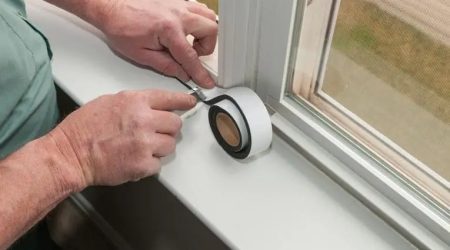
Foam Tape

Foam tape weather seals are a type of weather stripping that uses adhesive-backed foam tape to seal gaps around windows.

They are easy to install, affordable, and can effectively reduce air and water infiltration, noise, and energy loss. Highly recommended for DIY window weatherization projects.

V-Seals

V-Seals are a type of weather seal used in windows that consist of a flexible vinyl strip with a V-shaped design.

They create a tight seal between the window sash and frame to prevent air and water infiltration. V-Seals are durable, easy to install, and can improve energy efficiency and overall comfort.

Bulb Seals

A bulb seal is a type of weather seal commonly used in windows. It features a flexible bulb-shaped material that compresses against the window frame, creating a tight seal that prevents air and water infiltration. Bulb seals are durable and effective in reducing noise and improving energy efficiency.

Corner Pads

Corner pads are a type of weather seal used in windows to provide a cushion between the glass and the frame. They help prevent air and water infiltration, reduce noise, and improve energy efficiency. Regular maintenance and replacement of worn corner pads can prolong the life of your windows.

Compression Seals

Compression seals are a common type of weather seal used in windows that are made of a compressible material, such as foam or rubber. These seals create a tight seal between the window frame and sash, preventing air and water infiltration, and improving energy efficiency.

05

How to Replace a Weather Seal


  • Clean the window frame.


  • Measure the dimensions of the frame.


  • Cut the weather seal to size.


  • Apply adhesive to the back of the seal.


  • Press the seal onto the frame.


  • Smooth out any wrinkles or air bubbles.


  • Trim off any excess seal.


  • Test the seal for effectiveness.
WhatsApp Image 2023-12-19 at 12.13.37 AM

Tools Required

The tools required for weather seal installation on windows include a caulking gun, weather stripping adhesive, a putty knife or scraper, a utility knife, and a measuring tape. These tools are essential for a successful weather seal installation, which can help improve energy efficiency and protect against water damage.

Step-by-Step Guide

  • Clean the window frame.
  • Measure the dimensions of the frame.
  • Cut the weather seal to size.
  • Apply adhesive to the back of the seal.
  • Press the seal onto the frame.
  • Smooth out any wrinkles or air bubbles.
  • Trim off any excess seal.
  • Test the seal for effectiveness.
YOUR NEXT PROJECT

Let’s Discuss Your Requirements.

Contact Us