UPVC WINDOWS & DOORS · SYSTEM ALUMINIUM · ABS DOORS

Fusion welded Joints in UPVC windows
CHARAN WINDOWS / PRODUCT COLLECTION

Fusion welded Joints

Explore product details ↘
PRODUCT DETAILS

FUSION WELDED JOINTS

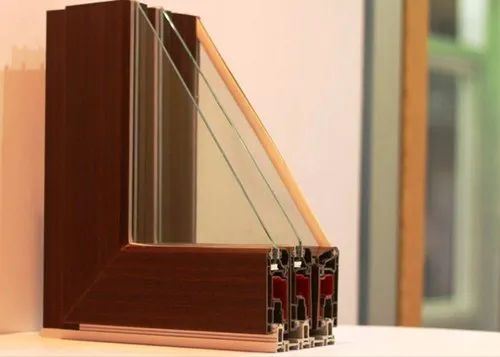
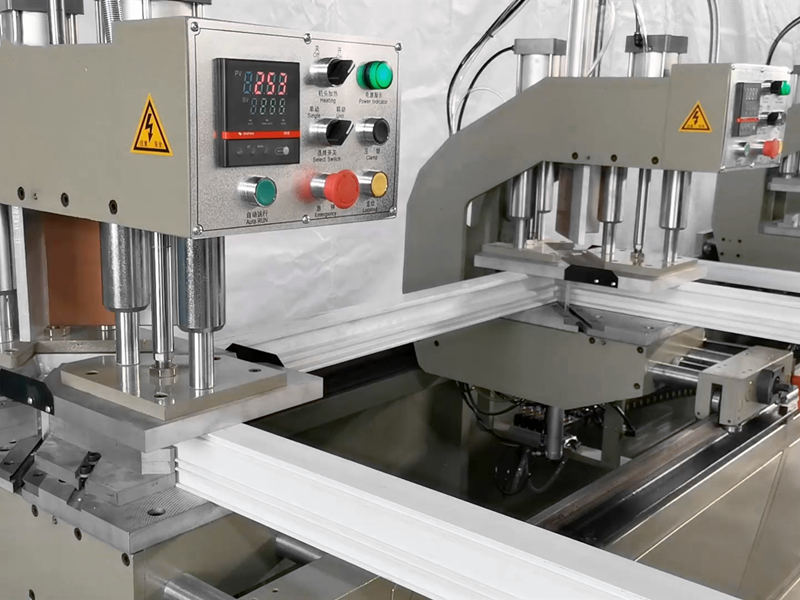
Fusion welded joints in uPVC windows are formed by melting and fusing two or more pieces of material using high heat and pressure. Common types of fusion welded joints include butt joints, lap joints, and corner joints. The process requires specialized equipment and skilled technicians to ensure precision and strength. In the production of windows and doors, fusion welding is a widely used technique for joining pieces of PVC or uPVC, creating a smooth, strong, and seamless bond. During the process, the ends of the material are heated until they melt, then pressed together, and allowed to cool and solidify, resulting in a connection that is both airtight and watertight. This method effectively prevents dust, debris, and moisture from entering the joint. One of the main advantages of fusion welded joints is their exceptional strength and durability, making them ideal for windows and doors exposed to various weather conditions. These joints resist warping, twisting, and deformation, common issues in traditional wooden or standard vinyl frames. Additionally, fusion welded joints offer a clean, modern appearance with nearly invisible seams, enhancing the overall aesthetic of windows and doors, which is especially beneficial in commercial and architectural projects where visual appeal is important.


Explore Details
Fusion welded Joints in UPVC windows
Fusion welded Joints
01

FUSION WELDED JOINTS

02

Introduction to Fusion Welding

Fusion welded joints in uPVC windows are formed by melting and fusing two or more pieces of material using high heat and pressure. This technique creates a strong, seamless bond that is widely used across industries such as construction, automotive, and aerospace. Common types of fusion welded joints include butt joints, lap joints, and corner joints. Performing fusion welding requires specialized equipment and skilled technicians to ensure strength and precision. In the production of windows and doors, fusion welding is a popular jointing technology that allows two pieces of PVC or uPVC (unplasticized polyvinyl chloride) to be melted and fused together. As the material cools and solidifies, it forms a smooth, durable, and long-lasting connection. This method ensures that joints are not only strong but also resistant to air and water infiltration, contributing to the overall durability and performance of the window or door system.

ADVANTAGE OF FUSION WELDING

• Strong welds: Fusion welding produces strong, durable welds that can withstand high levels of stress and pressure
• Versatility : It can be used to weld a wide range of materials, including metals, plastics, and glass.
• High precision : Fusion welding allows for precise control of the heat and welding process, resulting in accurate and clean welds.
• Efficiency : Fusion welding is a relatively fast and efficient welding process compared to other methods.
• Cost-effective : Fusion welding is generally a cost-effective method, as it requires relatively simple equipment and materials.

DISADVANTAGE OF FUSION WELDING

• Requires skilled labor : Fusion welding requires skilled labor to operate the equipment and perform the welding process properly.
• Safety hazards : The process involves high temperatures, which can pose safety risks for the operator and those in the surrounding area.
• Material limitations : Some materials may not be suitable for fusion welding, such as those with low melting points or those that are highly reactive with oxygen or water.
• Surface preparation : Proper surface preparation is critical for successful fusion welding, which can be time-consuming and require additional resources.

Applications of Fusion Welding

• Construction : Fusion welding is used for welding steel and other metals in construction projects such as bridges, buildings, and highways.
• Automotive : In the automotive industry, fusion welding is used to weld the chassis, exhaust system, and other parts of the vehicle.
• Shipbuilding : In Chennai, fusion welding is widely used in the shipbuilding industry to weld the hull, decks, and other parts of the ship.
• Aerospace : : Fusion welding is used in the aerospace industry to weld the fuselage, wings, and other parts of the aircraft.
• Manufacturing : : Fusion welding is used in the manufacturing industry to weld parts of machinery, tools, and equipment.

04

Types of Fusion Welding

Gas Tungsten Atc Welding (GTAW)

Gas Tungsten Arc Welding (GTAW), also known as Tungsten Inert Gas (TIG) welding, is a welding process that uses a non-consumable tungsten electrode to produce the weld.

The electrode, which is held in a torch, creates an electric arc with the workpiece, and a shielding gas is used to protect the weld pool from atmospheric contamination.

Gas Tungsten Arc Welding (GTAW)

Gas Metal Arc Welding (GMAW), also known as Metal Inert Gas (MIG) welding, is a welding process that uses a consumable wire electrode and a shielding gas to produce the weld.

The wire electrode is fed continuously through a welding gun, and an electric arc is created between the wire and the workpiece.

Electron Beam Welding (EBW)

Electron Beam Welding (EBW) is a welding process that uses a high-velocity electron beam to melt and fuse metal. The electron beam is produced by an electron gun and is focused onto the workpiece using a magnetic field.

The electrons transfer their kinetic energy to the metal, heating it to its melting point and creating a weld joint

Laser Beam Welding (LBM)

Laser Beam Welding (LBW) is a welding process that uses a high-intensity laser beam to melt and fuse metal. The laser beam is produced by a laser generator and is focused onto the workpiece using a lens system.

The laser beam heats the metal to its melting point, and a filler material can be added if necessary to create a weld joint.

Plasma Arc Welding (PAW)

Plasma Arc Welding (PAW) is a welding process that uses a constricted arc between a tungsten electrode and the workpiece.

PAW is a precise welding process that produces high-quality welds with minimal distortion and excellent control over the weld pool.Used in both manual and automated welding applications, making it useful for both low and high-volume production.

05

Factors & Aspects


  • Material Type


  • Joint Design


  • Environment


  • Welding Parameters


  • Pre-Welding Preparation


  • Welding Techniques


  • Post-Welding Treatment


  • Inspection


  • Non-Destructive Testing


  • Visual Inspection


  • Welding Standards


  • Specification


  • Automotive Industry


  • Aerospace Industry


  • Construction Industry


  • Marine Industry

Factors

  • Material Type
  • Joint Design
  • Environment
  • Welding Parameters

Procedure

  • Pre-Welding Preparation
  • Welding Techniques
  • Post-Welding Treatment
  • Inspection

Quality Control

  • Non-Destructive Testing
  • Visual Inspection
  • Welding Standards
  • Specification

Applications

  • Automotive Industry
  • Aerospace Industry
  • Construction Industry
  • Marine Industry
YOUR NEXT PROJECT

Let’s Discuss Your Requirements.

Contact Us