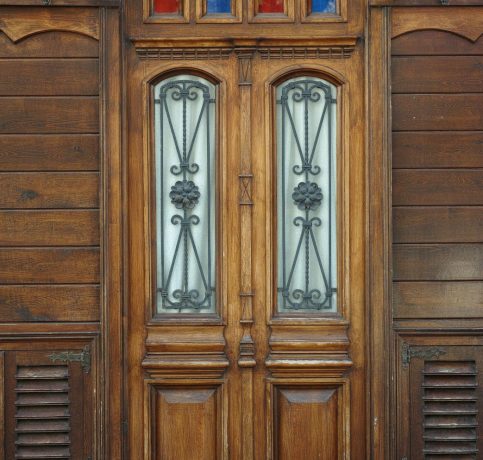
Wood
Wood is a traditional and popular material for windows and doors. It is known for its natural beauty, insulation properties, and durability. However, wood requires regular maintenance and is susceptible to rot and insect damage.


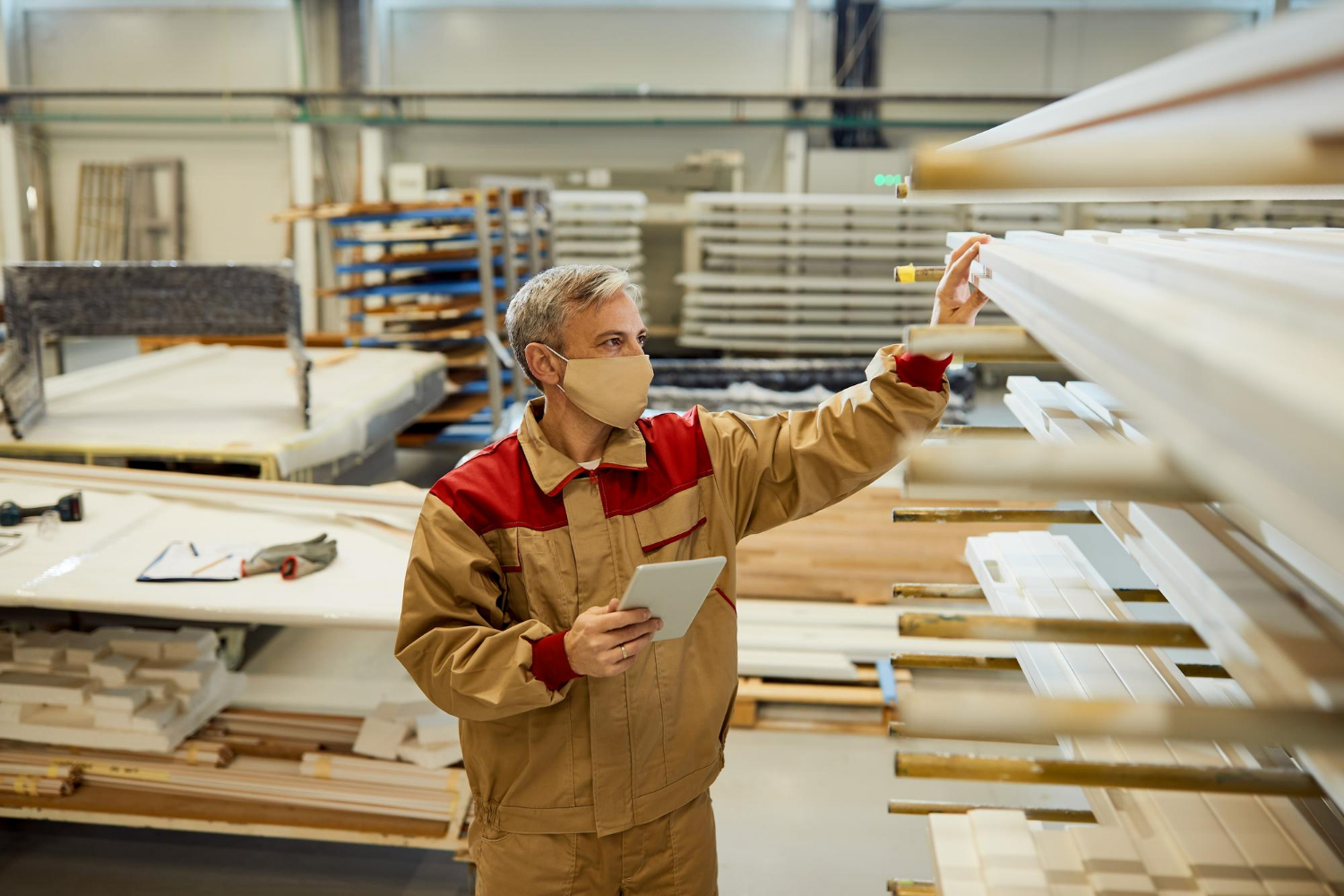
Window and door manufacturing refers to the process of designing, fabricating, and assembling windows and doors for residential, commercial, and industrial buildings. The process involves several steps, including measuring, cutting, and assembling various materials to create a finished product.
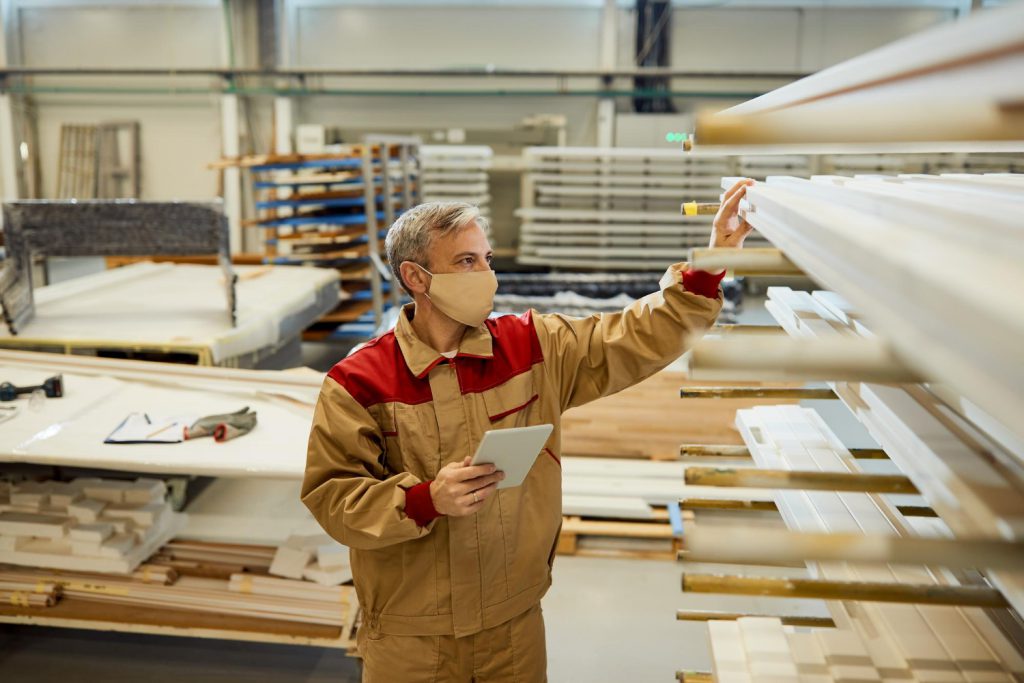
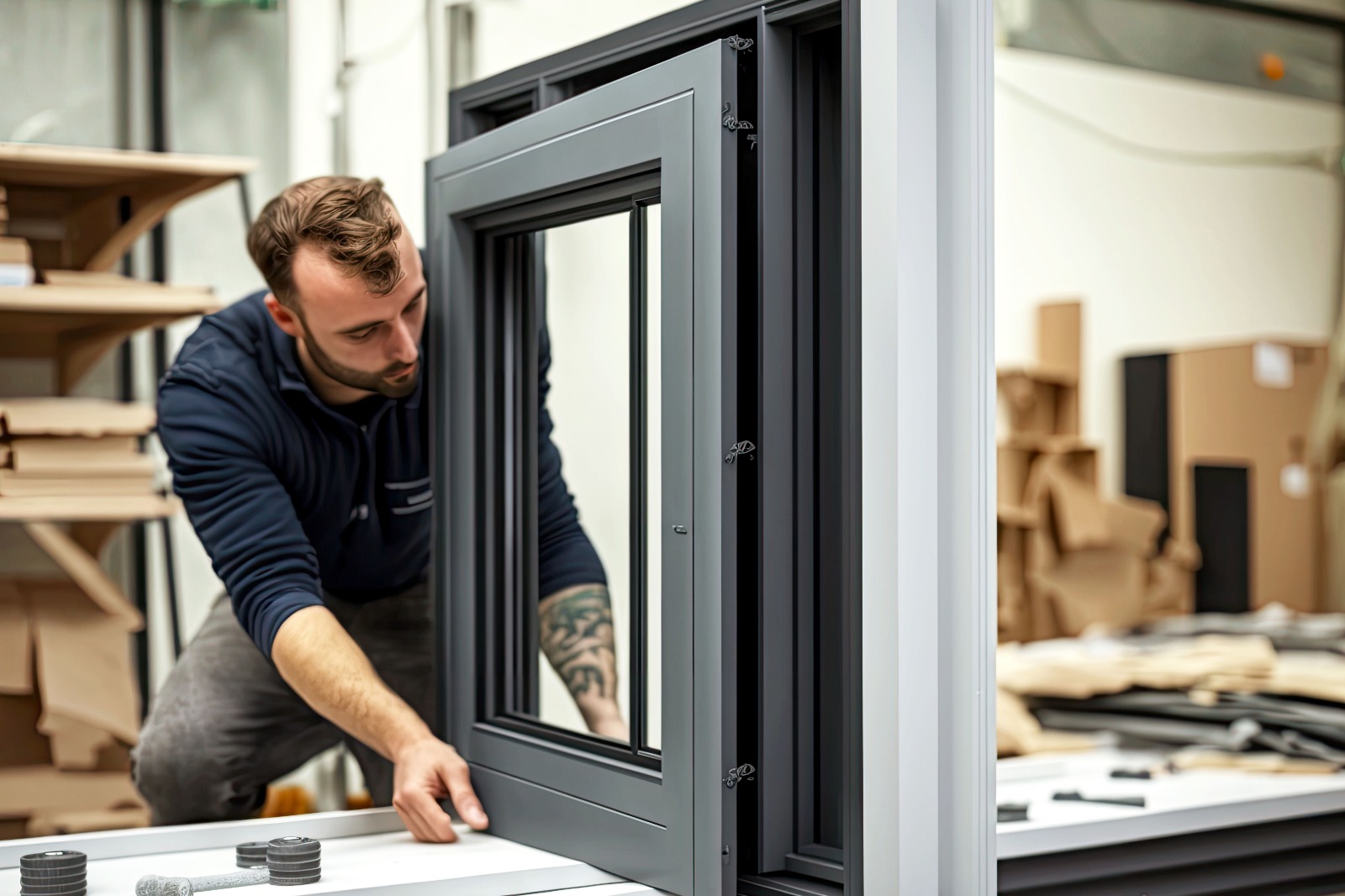
The materials used in window and door manufacturing can vary depending on the specific design and intended use of the product. Common materials include wood, vinyl, aluminum, fiberglass, and composite materials. These materials are often combined with various glazing options, such as insulated glass, to improve energy efficiency and enhance the aesthetic appearance of the product.
In addition to the manufacturing process, window and door companies also provide installation services to ensure that the products are properly installed and sealed to prevent air and water leaks. This involves careful measurement and precise installation techniques to ensure that the windows and doors fit securely and function properly.
Overall, window and door manufacturing is an important industry that plays a critical role in the construction and renovation of buildings of all types. It requires skilled craftsmanship and attention to detail to produce high-quality products that meet the needs of customers and provide long-lasting performance and durability.
Wood is a traditional and popular material for windows and doors. It is known for its natural beauty, insulation properties, and durability. However, wood requires regular maintenance and is susceptible to rot and insect damage.
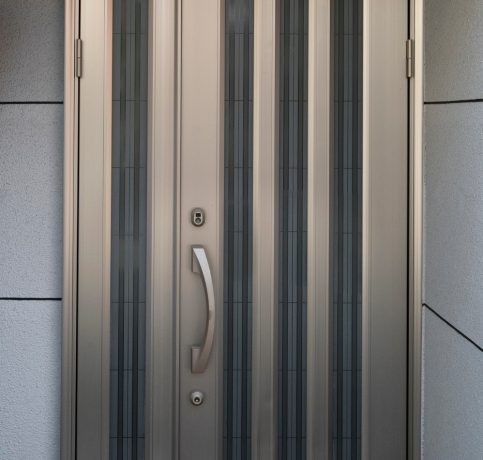
Aluminum is a lightweight, strong, and durable material that is resistant to rust and corrosion. It is commonly used for commercial applications and is also suitable for homes in coastal areas. However, it is not as energy-efficient as other materials and can conduct heat.
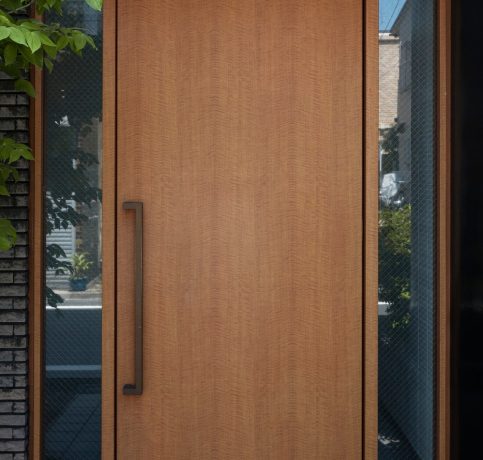
Fiberglass is a newer material that is becoming increasingly popular for windows and doors. It is strong, durable, energy-efficient, and low maintenance. It is also resistant to moisture, rot, and insect damage. However, it is more expensive than other materials.
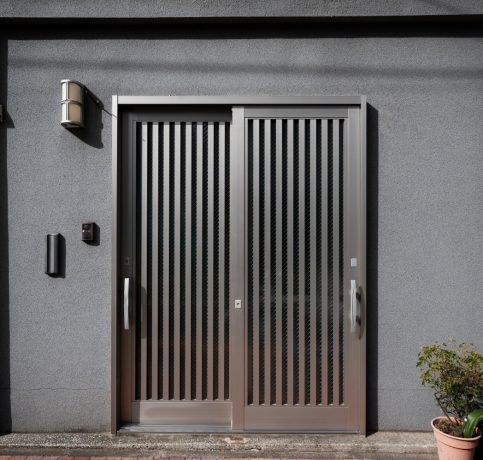
Steel is a strong and durable material that is commonly used for commercial applications. It is also suitable for homes in areas prone to extreme weather conditions. However, it is not as energy-efficient as other materials and may require regular maintenance to prevent rusting.
• Cost savings: Local manufacturing can reduce transportation costs, which can result in lower prices for consumers. Also, local manufacturers may have access to cheaper raw materials and labor, which can further reduce costs.
• Faster delivery times: Local manufacturing can also result in faster delivery times, as products do not need to be transported from other parts of the country or world.
• Customization: Local manufacturers can offer more customization options to customers, as they are more familiar with the local market and can better understand customer preferences.
• Job creation: Local manufacturing can create jobs and boost the local economy, as it creates employment opportunities for people in the area.
•Environmental benefits : Local manufacturing can also be more environmentally friendly, as it reduces the amount of transportation needed and the associated carbon emissions.
• Better quality control: Local manufacturers can have better quality control over their products, as they have greater oversight over the production process and can respond more quickly to any issues or defects.

Pros
1. Good insulation properties.
2. Durable and long-lasting.
3. Can be repaired easily in case of damage.
Cons
1. Expensive compared to some other materials.
2. Not suitable for high moisture or humid environments.
Pros
1. Resistant to fire, weather and pests.
2. Low maintenance
3. Strong and durable, providing high security.
Cons
1. Prone to dents and scratches.
2.Not as energy efficient as some other materials.
Pros
1.Highly energy efficient, providing good insulation.
2. Low maintenance and require little upkeep.
Cons
1. Not as strong as steel doors.
2. Limited design options.
3. Expensive
Pros
1. Not as strong as steel doors.
2. Limited design options.
3. Expensive
Cons
1. Not as secure as other materials.
2. Require more maintenance to keep clean and free of smudges and fingerprints.
The steps involved in manufacturing windows and doors typically include design, measurement, fabrication of frames, assembly of hardware, glazing, finishing, and quality control. This process may vary depending on the materials used and the specific type of window or door being produced.
The manufacturing process duration varies widely depending on the product, complexity, and production volume. Simple products like clothing or furniture may take a few days to a few weeks, while complex products like electronics or automobiles may take several months to a year.
Manufacturers may face challenges such as supply chain disruptions, quality control issues, production inefficiencies, workforce shortages, changing regulations, and increasing competition. These challenges can impact their ability to meet demand, maintain profitability, and innovate.
The Bureau of Indian Standards (BIS) provides quality standards for manufacturing windows and doors in Chennai, including specifications for materials, dimensions, hardware, and testing procedures. Manufacturers should comply with these standards to ensure that their products meet safety and performance requirements.
Manufacturers can ensure that their products meet standards by conducting rigorous testing and quality control throughout the production process. They can also use third-party certification and verification programs to ensure compliance with industry standards and regulations. Regular audits and inspections can also help identify and address any potential issues.
Failure to meet standards can result in legal and regulatory penalties, loss of reputation and customer trust, reduced revenue, decreased productivity, increased risk of accidents and incidents, and negative impacts on the environment and society.
Rthe demand for windows and doors in Chennai is likely influenced by factors such as population growth, urbanization, and construction activity. Additionally, factors such as weather patterns and building regulations may also impact the demand for these products in the region.
The main customers for window and door manufacturers are homeowners, builders, contractors, architects, and property managers. Homeowners are the largest customer group, as they purchase windows and doors for their personal residences.